NBI HIT Status Explained: What It Means & How to Clear It
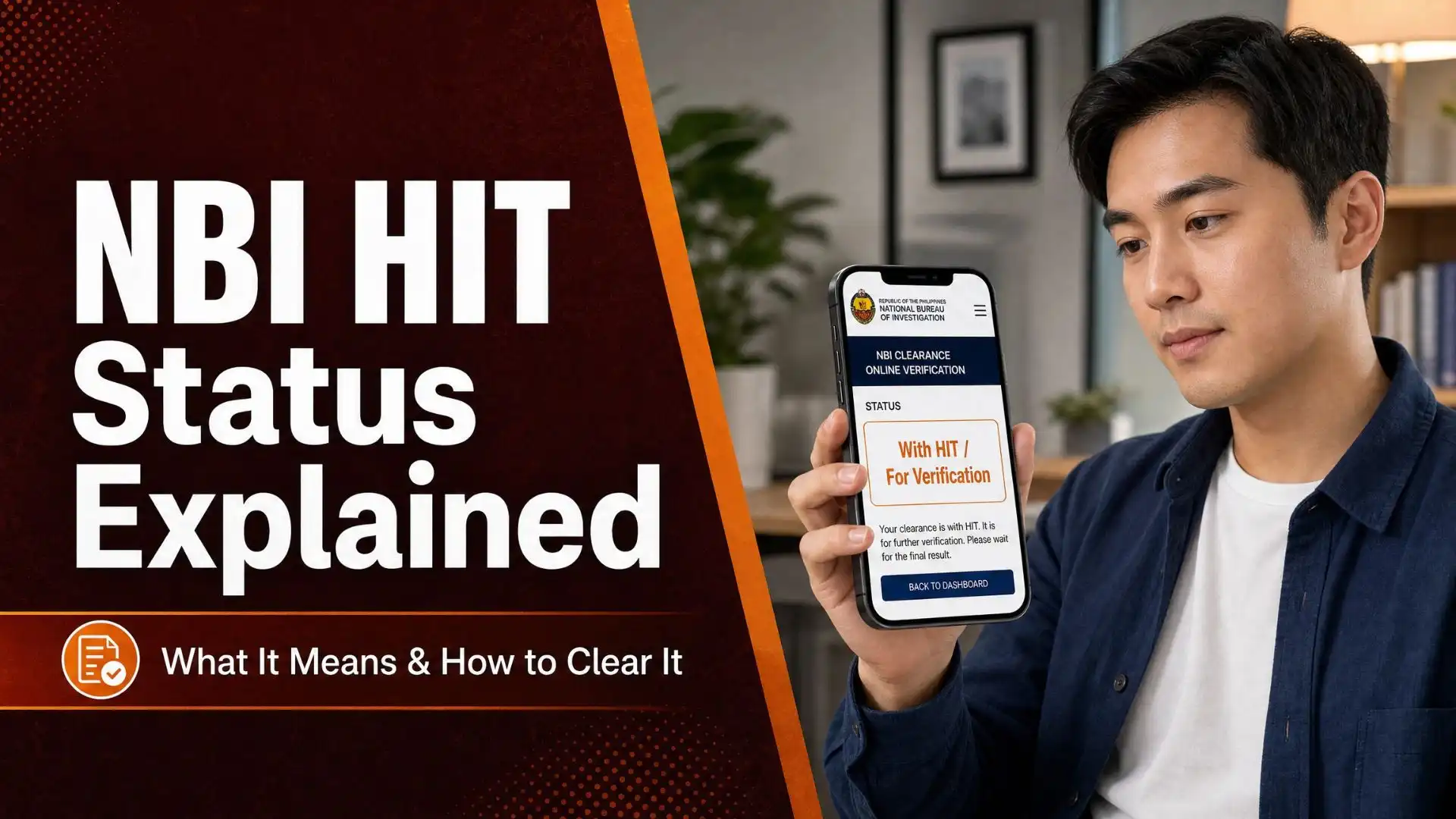
Seeing “HIT” on your NBI Clearance can be alarming — but for most people it’s just a name match, not a criminal record. Here’s what a HIT really means, why it happens, how long it takes, and exactly how to clear it.
An NBI “HIT” means your name matches (or closely resembles) a record in the NBI database, so your clearance needs manual verification before release. It does not mean you have a criminal record — it’s very common, especially with common names. To clear it, return to the same NBI branch on your given date, bring valid IDs (and court papers if a past case is involved), and wait out the verification (usually 5–10 working days). There’s no extra fee for a HIT.
What Does a HIT Mean?
When you apply, the National Bureau of Investigation automatically scans your full name and details against records from courts, prosecutors, and law-enforcement databases nationwide. If your name matches or resembles someone in those records, the system flags a HIT and holds your application for a manual check. It’s an automated security step — not a judgment, and not a conviction. Most HITs are cleared once the NBI confirms you’re a different person from the record.
Why Do You Get a HIT?
| Reason | What’s happening |
|---|---|
| Name match (namesake) | Someone with the same or similar name has a record. The most common reason — and usually the easiest to clear. |
| Mismatched details | A typo or inconsistent name, birth date, or address flags the system. Accurate encoding prevents this. |
| Old case not updated | A past case that’s already resolved but still shows in records can trigger a HIT until proof of closure is shown. |
| Actual record / pending case | A real case genuinely linked to you. The clearance isn’t released until the matter is resolved legally. |
Good to know: only criminal records and law-enforcement entries cause a HIT. Purely civil matters — like an ordinary unpaid debt — do not, unless they’ve become a criminal case.
How Long Does a HIT Take to Clear?
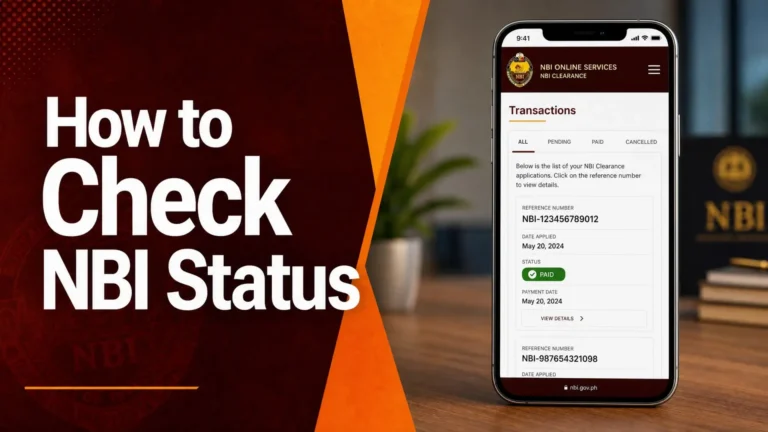
A simple namesake HIT often clears within a few working days; the standard verification window is about 5–10 working days, and complex cases can take up to two weeks or more. If you have a deadline for a job, visa, or travel, apply early to leave a buffer. You’ll be given a specific return/release date — check it in your account via our guide to checking your NBI status.
Is There an Extra Fee for a HIT?
No. A HIT simply delays your release — there’s no additional charge to verify a name match. You’d only pay extra if you choose door-to-door delivery so you don’t have to return to the branch. Anyone asking you to “pay to clear a HIT” is a red flag.
How to Clear an NBI HIT — Step by Step
A HIT can’t be resolved online — the portal only shows your status. You clear it in person at the branch where you applied.
Return on your scheduled date
Go back to the same NBI branch on the return date shown (usually after about 5–7 days). Dress neatly — the usual dress code applies.

Bring original valid IDs
Take at least two original government IDs to confirm your identity. See our accepted-ID list if you’re unsure which to bring.
Bring supporting documents if a case is involved
If the HIT relates to a past case, bring court papers — a court clearance and a certificate of finality/dismissal.
Complete the Quality Control check
An officer verifies whether the record belongs to you or a namesake, and may ask a few identity questions. Answer honestly and submit any forms requested.
Wait for final clearance
Once verified, the HIT is resolved and your clearance is printed. A cleared HIT is exactly the same as a no-HIT clearance.

What Is the Quality Control (QC) Interview?
For some HITs, your application goes to the Quality Control section. NBI staff manually pull the relevant files (and may coordinate with courts) to confirm whether the flagged record is really yours. You might be asked a few questions about your identity or any past legal involvement. It’s a routine verification step — not an accusation — and it typically takes the same 5–10 working days.
Special Situations
The right action depends on why you were flagged:
Namesake / False Hit
If the record belongs to someone else with a similar name, you simply prove you’re a different person — your middle name, birth date, and address typically differ. In some cases you may file an affidavit (for example, an affidavit of denial, or one explaining a deceased relative’s namesake). These clear once verification confirms the mismatch.
Old Case That’s Already Resolved
If a case was dismissed or settled but the records aren’t updated, secure a court clearance and a certificate of finality or dismissal from the court where it was filed, and present them on your return visit. This is the proof the NBI needs to clear the HIT.
An Active or Pending Case
If the record genuinely belongs to you and the case is still open, the clearance won’t be released until the matter is addressed through proper legal channels. This is where you should consult a lawyer — see the note below.
This isn’t legal advice. If your HIT involves a real, pending, or unclear legal case, consult a qualified Philippine lawyer. They can help clarify or correct your records with the right court or agency. Never use a “fixer” — falsifying clearances is a crime, and only the official process can resolve a HIT.
Tips to Avoid Future HITs
- Always apply with your exact legal name — same spelling, middle name, and suffix — as on your primary ID.
- Double-check your birth date and address before submitting.
- If you changed your name (e.g. marriage), keep your records consistent.
- If you often get HITs from a common name, keep a copy of a previously cleared clearance to show your name was verified before.
Frequently Asked Questions
Conclusion
An NBI HIT is far less scary than it looks: in most cases it’s a name match that clears after a short verification, with no extra fee. Return on your given date with your IDs (and court papers if a past case is involved), cooperate with the Quality Control check, and your clearance will be released — identical to a no-HIT one. If a genuine legal case is involved, resolve it through proper channels and seek legal advice.